If you own commercial property, the most frustrating part of insurance is that two buildings with the same value can receive completely different quotes. That is not random. Underwriters price the building, the operation, the location, the claims history, the tenant mix, and the worst credible loss scenario.
For Johal Insurance Brokers, the goal is simple: help property owners understand why the quote looks the way it does, then shop the account to the right carriers before renewal pressure forces a bad decision. This article breaks down commercial property insurance costs by property type for the five classes we watch hardest: apartment buildings, hotels, gas stations, warehouses, and strip malls.
Commercial Property Insurance Cost Comparison by Property Type
The table below is not a quote. It is a practical comparison of what underwriters focus on when pricing different commercial properties.
| Property type | Main pricing pressure | Coverage owners should check |
|---|---|---|
| Apartment buildings | Habitability, tenant injuries, roof/plumbing age, wildfire, earthquake, loss of rents | Building, general liability, loss of rents, ordinance or law, equipment breakdown |
| Hotels and motels | Guest injuries, pools, liquor, food service, crime, franchise status, business interruption | Property, general liability, business income, liquor liability, cyber, equipment breakdown |
| Gas stations | Underground tanks, fuel operations, pollution, convenience store sales, crime, auto traffic | Property, general liability, pollution liability, crime, equipment breakdown, business income |
| Warehouses | Commodity stored, sprinklers, racking height, forklifts, legal liability, loading docks | Building, business personal property, warehouse legal liability, equipment breakdown |
| Strip malls | Tenant mix, restaurants/liquor, parking lot exposure, roof condition, vacancy, lease risk transfer | Property, general liability, loss of rents, ordinance or law, tenant certificates |
Why Apartment Building Insurance Costs Change So Much
Apartment building insurance is not just about the walls and roof. The carrier is also pricing people: tenants, guests, vendors, delivery drivers, and anyone walking through common areas. More units usually mean more foot traffic, more chances for injury claims, and more potential rental income loss after a covered event.
California apartment owners may face wildfire, earthquake, habitability, and rent-control related issues. Texas apartment owners often have wind and hail deductibles to watch. Illinois apartment owners need to think about freeze losses, older building systems, and liability from ice or snow. Across every state, clean maintenance records and a clear statement of values help the account price better.
Apartment insurance cost drivers
- Number of units and tenant turnover
- Roof age, plumbing age, electrical updates, and HVAC condition
- Sprinklers, alarms, lighting, cameras, gates, and pool controls
- Loss history, especially water damage, fire, habitability, and slip-and-fall claims
- Replacement cost accuracy and loss of rents limit
Why Hotel Insurance Costs Are Different
A hotel is a building and an operating business at the same time. Carriers care about occupancy rate, room count, exterior corridors, pools, restaurants, bars, shuttle service, elevators, security, and whether the property is franchised or independent. A small limited-service motel and a full-service hotel with liquor and events are not the same insurance risk.
Business income coverage is especially important for hotels. A serious fire, water loss, storm, or equipment breakdown can shut down rooms and cut revenue quickly. If the limit is too low or the restoration period is too short, the claim payment may not carry the owner through repairs.
Hotel insurance cost drivers
- Hotel type: motel, limited-service, full-service, extended stay, boutique, or franchise
- Guest amenities: pool, gym, restaurant, bar, event space, elevator, shuttle, valet
- Security controls: cameras, lighting, key-card access, patrols, incident procedures
- Business income exposure and seasonal revenue swings
- Prior liability claims, crime, water damage, or fire losses
Why Gas Station Insurance Can Be Hard to Place
Gas station insurance is one of the most specialized commercial property placements because the risk stack is layered. The account may include underground storage tanks, fuel pumps, canopies, convenience store inventory, liquor sales, cooking, car wash operations, auto repair, ATMs, lottery sales, crime exposure, environmental risk, and constant vehicle traffic.
The biggest mistake gas station owners make is treating pollution coverage like a minor add-on. Underground storage tank leaks can create cleanup costs, third-party property damage, bodily injury claims, and regulatory defense problems. Standard property coverage is not enough for that exposure.
Gas station insurance cost drivers
- Tank age, tank material, capacity, leak detection, and inspection records
- Fuel volume, pump count, canopy condition, and site lighting
- Convenience store operations, liquor, cooking, ATM, lottery, and hours
- Environmental history and pollution liability requirements
- Crime controls, cameras, alarms, bollards, and employee safety procedures
Why Warehouse Insurance Depends on the Commodity
Warehouse insurance starts with the building, but the real question is what is inside. Paper, plastic, tires, chemicals, batteries, electronics, food, and ordinary dry goods all create different fire and liability concerns. A warehouse with excellent sprinklers and low-hazard goods will usually be more attractive to carriers than a poorly protected building with high-hazard stock.
Owners also need to separate building coverage from warehouse legal liability. If a business stores property belonging to customers, the insurance program needs to address who is responsible when that property is damaged.
Warehouse insurance cost drivers
- Commodity stored and whether goods belong to the insured or to customers
- Sprinkler type, alarm monitoring, protection class, fire walls, and racking height
- Forklift use, loading docks, yard traffic, and third-party drivers
- Tenant operations and lease insurance requirements
- Business income, equipment breakdown, and legal liability needs
Why Strip Mall Insurance Depends on Tenant Mix
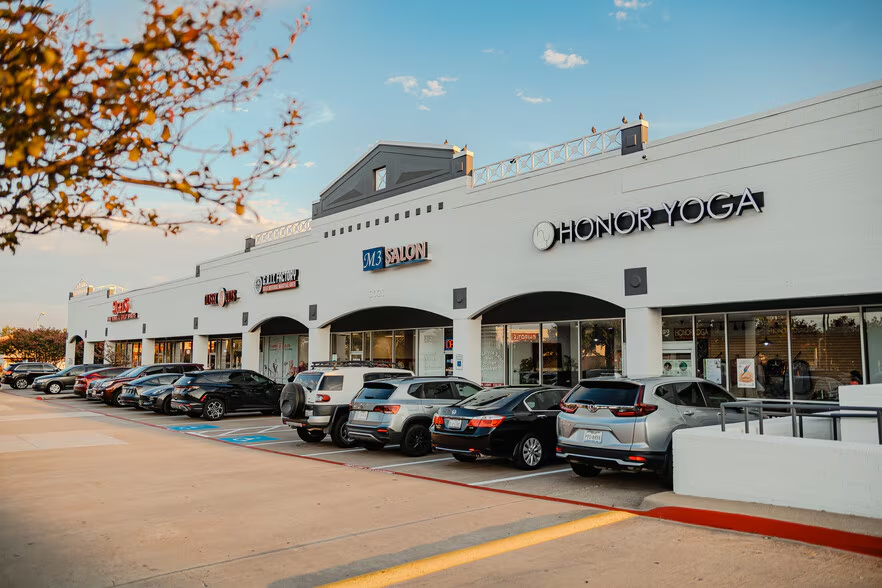
Strip mall and retail center insurance is usually driven by two things: the building and the tenants. A quiet office tenant, a restaurant, a liquor store, a smoke shop, a gym, and a vacant unit all affect the risk differently. The landlord's lease structure and tenant certificate tracking can be just as important as the roof age.
Parking lots and common areas are also major liability exposures. Poor lighting, cracked pavement, uneven sidewalks, broken curbs, and weak snow or ice procedures can turn ordinary premises claims into expensive lawsuits.
Strip mall insurance cost drivers
- Tenant mix, vacancy, restaurant exposure, liquor exposure, and high-traffic operations
- Roof condition, HVAC age, signage, glass, and exterior lighting
- Parking lot condition, sidewalks, landscaping, lighting, and security
- Tenant certificates, additional insured status, and lease risk transfer
- Loss of rents and ordinance or law coverage for older centers
How to Lower Commercial Property Insurance Costs Before Renewal
The best time to lower premiums is before the underwriter sees the account. Once a messy submission hits the market, carriers start making assumptions. A clean package gives the broker more leverage.
- Start early. Hard-to-place accounts need time. Gas stations, hotels, coastal properties, older apartments, and retail centers with restaurants should not wait until the last week.
- Build a clean statement of values. Include address, year built, construction, square footage, roof age, occupancy, building value, business personal property, and loss of rents.
- Document upgrades. Roof, plumbing, electrical, HVAC, alarms, sprinklers, cameras, lighting, and parking lot repairs can all help.
- Fix obvious hazards. Trip hazards, bad lighting, missing railings, roof leaks, pool gate issues, and poor housekeeping are easy reasons for worse pricing.
- Get loss runs. Most serious carriers will ask for them. Clean loss runs help. Bad loss runs can still be explained if the corrective actions are documented.
- Compare more than premium. Deductibles, exclusions, coinsurance, valuation, loss of rents, ordinance or law, and carrier strength matter.
What to Send Your Broker for a Better Quote
If you want faster and more competitive quotes, send the right information upfront. For most commercial properties, that means:
- Current policy and renewal date
- Five years of loss runs if available
- Statement of values with replacement cost estimates
- Building updates and photos
- Tenant list or rent roll
- Loan or lender insurance requirements
- Any inspection reports, roof reports, tank records, sprinkler reports, or alarm certificates
For a deeper breakdown by industry, read our full commercial insurance cost guides for apartments, hotels, gas stations, warehouses, and strip malls.
Need your renewal shopped?
Johal Insurance Brokers shops A-rated carriers for commercial property owners in California, Texas, and Illinois. Send the address, current policy, and renewal date. We will show you what the market can do.
Get a Free Quote